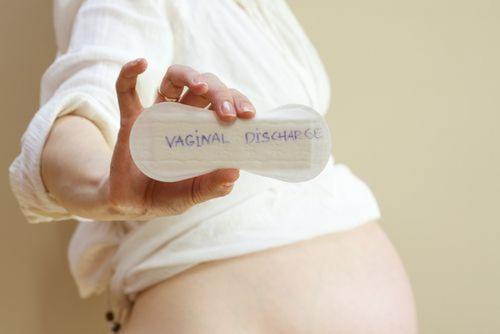
It is not rare that a woman experiences vaginal bleeding or brown discharge in pregnancy, usually in the first trimester. It is entirely regular-if the bleeding is minimal. The problem is that it is not always easy to recognize the difference between normal and abnormal secretion. Therefore, the most important thing is to find the causes of brown discharge as soon as possible. When the bleeding is accompanied by abdominal pain, dizziness, cramps, and fever, it is necessary to consult a gynecologist. Only the doctor can handle bleeding and start an adequate treatment.
Causes of Brown Discharge in Pregnancy
Given that brown discharge in pregnancy can be common, it is expected that many causes will lead to its occurrence. Some of them can be harmless, but some are serious and require consultation with the gynecologist.
1. Implantation bleeding
After being fertilized, the egg implants itself on the wall of the uterus. Sometimes this process can lead to light bleeding, which the woman recognizes as brown discharge. As one of the earliest signs of pregnancy, this bleeding occurs approximately six days after ovulation, but it is not rare to show up a couple of days or weeks later. Sometimes it happens that a woman misinterprets this bleeding as a late period.
2. Cervical irritation
During pregnancy, every sexual intercourse, and even a rough medical examination can provoke brown discharge. The reason is the large blood flow through the cervical tissue and its hypersensitivity due to changes in hormone levels.
3. Ectopic pregnancy
It can be a serious problem accompanied by abundant internal bleeding (hemorrhage). One of the possible symptoms, which may indicate that it is about implantation of the egg somewhere outside the uterus, is brown discharge in early pregnancy. If the secretion is accompanied by dizziness, occasional pain in the pelvis or abdomen, and lightheadedness, an immediate medical examination is required.
4. Miscarriage
In most cases, brown discharge in the first trimester means that a miscarriage occurs, especially if it is accompanied by strong periodical cramps and abdominal and lower back pain. If a woman's body completes the miscarriage naturally within a maximum of ten days, further treatment is not needed. However, in such cases, consultation with a doctor is always recommended.
5. Missed abortion
In rare cases, brown discharge can be one of the signs of a missed abortion. When the pregnancy stops developing and fetal matter, for some reason, can't leave the womb for a couple of weeks, a woman can notice brown, coffee-grounds-like texture spotting. It is necessary for the physician to carry out an examination and clean fetal tissue from the uterus.
6. Molar pregnancy
This is an extremely rare abnormality of the placenta when some problem during fertilization appears. One reason is a genetic error, and the result is an abnormal tissue growth within the womb, accompanied by brown discharge, at the end of the molar pregnancy.
7. Cervical polyp(s)
As a result of this benign and usually harmless growth on the cervix, brown discharge can occur. It is a result of bleeding from a polyp itself, especially during pregnancy, when the blood circulation in the cervical tissue increases due to a higher estrogen level.
8. Pre-labour discharge
The occurrence of brown dischalabor the last weeks of the pregnancy is usually an indication that labour is very near. Don't panic when noticing a mixture of a mucous, jelly-like matter and brownish blood at 36 to 40 weeks. It is a normal condition caused by the loss of the mucous plug.
What to Do After Brown Discharge During Pregnancy Stops
The ways of reducing any bleeding in pregnancy directly depend on the cause and consultation with a gynecologist is always advised. If there are no severe underlying problems, taking care of the body after discharge stops can help.
Get enough rest
Rest is a crucial treatment for brown discharge during pregnancy, especially in the early stages. Every possible additional bleeding requires a visit to a gynecologist. Don't forget that sleep heals.
Avoid heavy workouts
Hard workouts cause movement of the womb which leads to the rupture of placental newly-formed blood vessels. Only a tiny amount of haemorrhage is a reason for concern. Avoid climbing stairs and strenuous exercise such as running, weightlifting, or cycling for at least a few weeks after bleeding.
Don't irritate the vagina
It is necessary to avoid every possible vaginal irritation after even the slightest bleeding.
-
Avoid intercourse at least two to four weeks after the last visible traces of bleeding disappear.
-
Don't use tampons or insert any other thing into the vagina. It is the only way to avoid bleeding caused by injuring the vaginal or cervical wall.
-
Don't try to douche, because it is a way to introduce bacteria into the vagina.
In any case, try to strengthen the body. Supplements, such as vitamin C and B or folic acid, can give a woman extra strength to stay healthy during pregnancy. Also, drink enough water, especially after severe bleeding. That means to take in more liquid than usual and is required because the body loses fluid during bleeding.
Summary
Although brown discharge in pregnancy is common, some of the causes can be a reason for concern. Getting enough rest and avoiding heavy workouts are crucial treatments for this medical issue. Plus, taking some supplements and drinking enough water can give a pregnant woman the necessary strength to overcome the problem.